
A Conversation on RO DBT: Our Feature on the “After the Tones Drop” Podcast
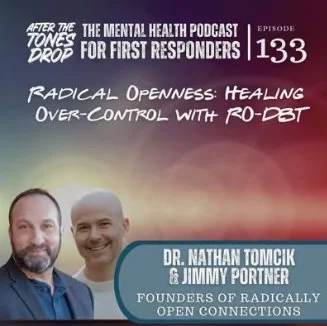
Talking RO DBT, Overcontrol, and Real‑World Healing on the “After the Tones Drop” Podcast
Many people come to Radically Open DBT (RO DBT) because they’ve spent years — sometimes decades — relying on traits that once kept them safe: self‑control, discipline, perfectionism, independence, emotional restraint. These strengths often helped them survive childhood, succeed in demanding careers, or push through trauma. But over time, those same traits can lead to loneliness, burnout, and a sense of emotional shutdown.
That’s exactly what we explored in our recent conversation on the After the Tones Drop podcast with host Cinnamon Reinhold of Whole Health Counseling. Cinnamon’s work centers the lived experiences of first responders, helpers, and high‑stress professionals, making her podcast a uniquely powerful space for honest conversations about mental health, trauma, and resilience.
In this episode, we talk about what emotional overcontrol looks like in real life and how RO DBT offers a different path for people who struggle not with impulsivity, but with too much self‑control. These are often the high achievers, the leaders, the helpers, the “I’m fine” responders — the people who hold everything together externally while quietly feeling disconnected or overwhelmed internally.
We dive into topics such as:
how chronic overcontrol contributes to loneliness, rigidity, and depression
why so many first responders, veterans, and high performers fall into the overcontrolled profile
how RO DBT uses social‑safety signaling to shift the nervous system out of threat mode
the “Big Three + One” nonverbal cues that increase connection
why vulnerability, openness, and curiosity are trainable skills
how RO DBT group work helps rebuild a sense of tribe and belonging
what “flexible control” looks like — and why it feels uncomfortable at first
We also share practical tools clinicians, responders, and clients can begin using right away to increase connection, soften rigid patterns, and move toward more authentic emotional expression.
If you’ve ever been told you’re “too serious,” “too independent,” or “hard to read,” or if letting people in feels unfamiliar or risky, this conversation may offer a new framework for understanding yourself — and a hopeful path toward change.
🌐 Explore additional “After the Tones Drop” podcast episodes:
